
It’s Not Surveillance Pricing. It’s Inventory, FOMO, and One Industry Gotcha.
What’s Actually Setting Your Cruise Price (Hint: Not an Algorithm Watching You)
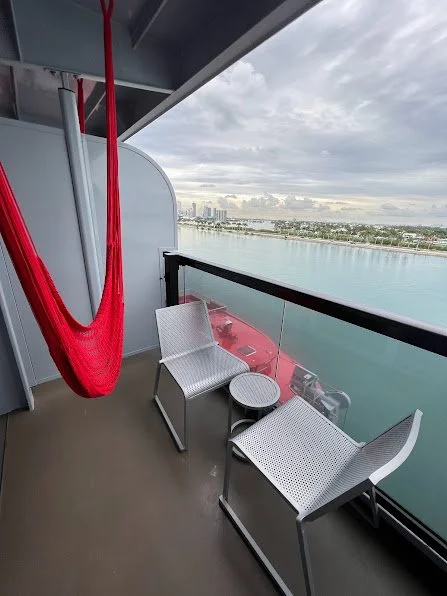
The categories with the private hammock and the aft view are the first ones to disappear.
Recently, I told you why booking early beats waiting for Black Friday almost every year. Two things I left out: what’s actually driving these prices, and what to do if the fear of missing a better deal is going to bother you anyway.
It’s not surveillance pricing. It’s just inventory.
You’ve probably seen the term “surveillance pricing” in the news — the idea that companies use your location, your browsing history, even what device you’re on, to charge you a different price than the person next to you. Congress is investigating it. Several states are moving to ban it.
Travel pricing, at least for cabins and seats, isn’t that complicated. It comes down to what’s left to sell.
Prices move in inverse correlation to availability. More cabins or seats open, lower the price. Fewer left, higher the price. Sell off half the balconies on a sailing and the ones still open get more expensive by the day — not because of anything an algorithm knows about you personally, but because there’s less of them.
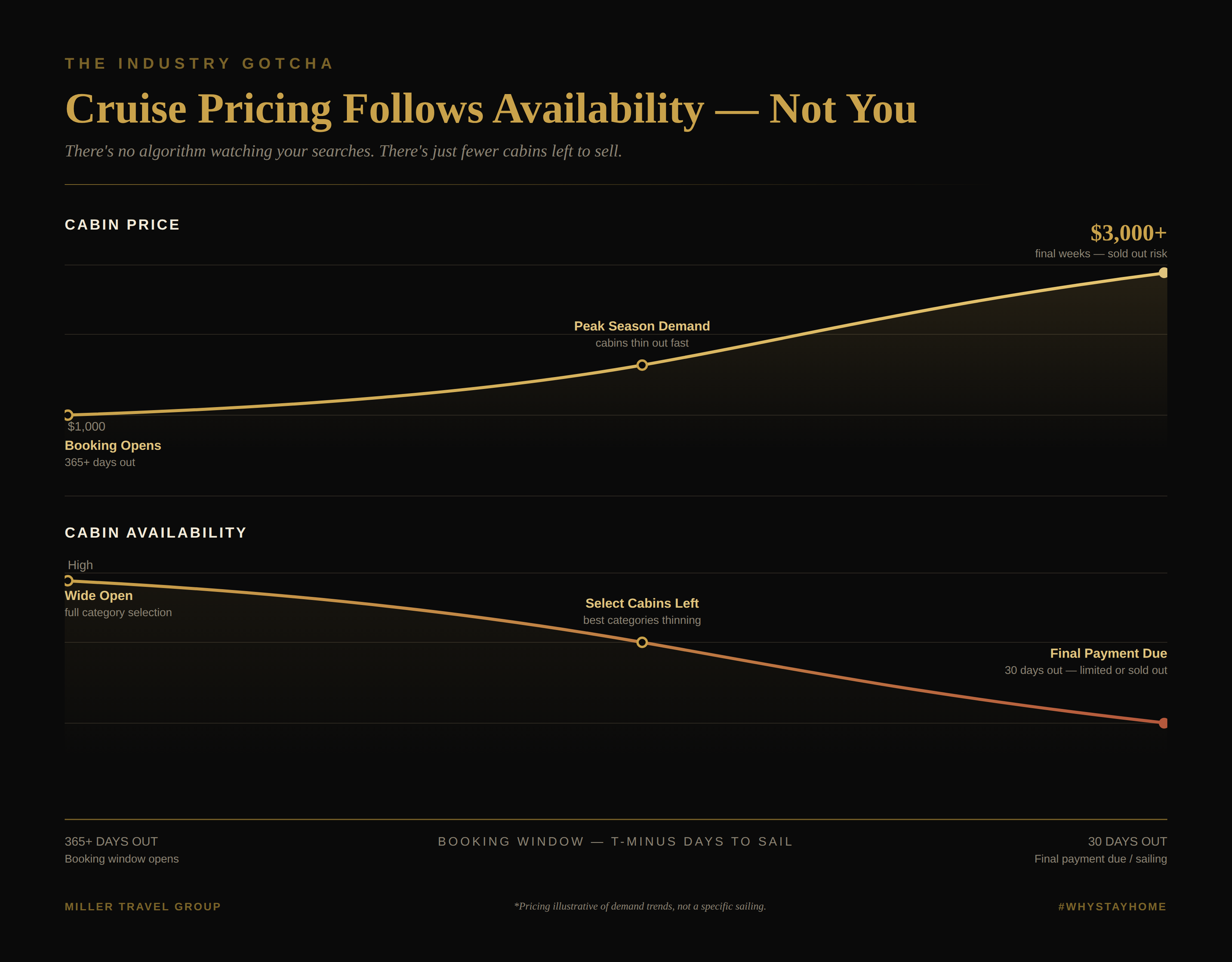
Cabin prices don't rise because of you.
They rise because there's less left to sell.
The FOMO is real. A refundable deposit is the fix.
Even when the math says book now, there’s a real feeling that sits with you for two months: what if Black Friday drops the price and I already locked in? That fear is valid, even when it isn’t usually justified.
If you don’t want to just sit with that feeling, there’s a way to hedge it: choose a refundable deposit instead of a non-refundable one. The trade-off is a higher fare than you’d get with a non-refundable deposit on the same cabin. You’re paying a little more upfront for the right to change your mind later.
The industry gotcha that makes this matter
Here’s why that flexibility is worth more than it used to be. A growing number of the flashiest Black Friday-style promotions are restricted to new bookings only, and they typically require a non-refundable deposit. That’s not an accident — it’s how cruise lines have found a way to selectively offer lower pricing without discounting existing reservations.
Most of the time, that new promotional price isn’t significantly lower than what you already paid. When it is meaningfully lower, it’s usually because demand on that specific ship and sail date didn’t materialize the way the line expected, not because Black Friday itself is some magic discount day.
That’s the scenario worth watching for — not every promo, just the ones tied to a soft sailing. When it’s that kind, and your deposit was refundable, you have a real move: cancel the original reservation and rebook under the new promotion, restrictions and all. If it was non-refundable, you’re holding your original price no matter what shows up in the Black Friday email blast.
What cancel-and-rebook actually costs — and where the real risk is
Here’s a worked example. Say a refundable deposit runs $300 more than a non-refundable one on the same cabin. Does that $300 matter?
Less than it looks like it does, if you’re planning to switch fares down the road. Walk through the sequence: you book refundable now and hold the cabin you want. Weeks or months later, a new promo posts with lower pricing. You cancel the original reservation and place a new deposit — likely non-refundable this time — at the lower fare. The refund on that original deposit takes 14 to 28 days to process, but it does come back. You held the cabin you wanted, caught the sale when it posted, and never really paid a premium for the flexibility — it circled right back to you.
So where’s the actual risk? Not the money. It’s the cabin.
The moment you cancel, that cabin goes back into inventory — while your refund is still sitting in processing. I’ve seen it happen: someone else picks up the exact cabin you just released before you can get a new deposit posted to hold it again. You get your money back. You’re not guaranteed to get the same cabin.
Whether that risk is worth taking is a personal call. My take: if the exact cabin or location matters — families who need connecting or adjacent cabins, anyone booking an accessible stateroom — book as early as possible and hold onto it. Don’t play the cancel-and-rebook game with a cabin you can’t afford to lose.
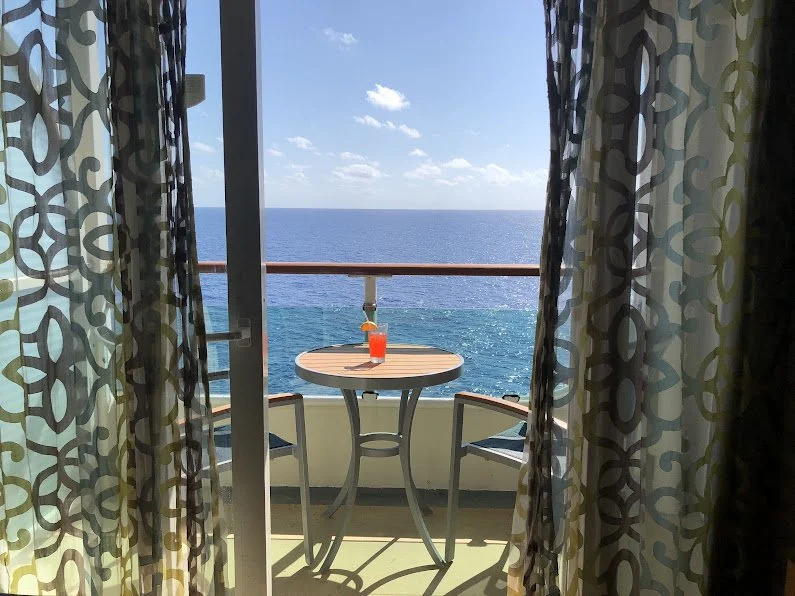
This is the view a refundable deposit is actually protecting.
The Takeaway
The price you see isn’t personal. It’s just what’s left in inventory. If the not-knowing is going to bother you between now and Black Friday, a refundable deposit is the insurance policy — it costs a little more upfront and buys you the right to change your mind.
If you want to see what that trade-off actually looks like for your sailing — refundable versus non-refundable, real numbers side by side — reply here, text, call me at 817-386-7086 or drop me an email. I’ll have it back to you before Black Friday even shows up in your inbox.

Billy Miller is the founder of Miller Travel Group. He believes true vacation planning requires real human relationships and actual local expertise—which is exactly why he is rarely found sitting at home. He writes about premium travel, cruise industry realities, and destination hidden gems from a deeply personal, experiential perspective.