
MV Hondius and Hantavirus: Where Things Stand Now
Read the initial report: MV Hondius: A Special Update — May 9, 2026.
Three weeks ago, the words "cruise ship" and "hantavirus" appeared in the same sentence and the internet did its thing. The comparisons were immediate. The alarm was instant. Is this happening again?
Let's take a look at where we are today.
The MV Hondius is docked in Rotterdam. The passengers are home and as of tomorrow, the CDC's 21-day quarantine window for 18 American travelers closes at a Nebraska facility most of them never expected to see.
The outbreak that began somewhere in the Andes — likely before anyone boarded — has now touched France, Spain, Canada, and the United States. Thirteen confirmed or probable cases and three deaths. Formal federal quarantine orders issued under the Public Health Service Act for two passengers who didn't comply voluntarily.
Case Numbers Then and Now
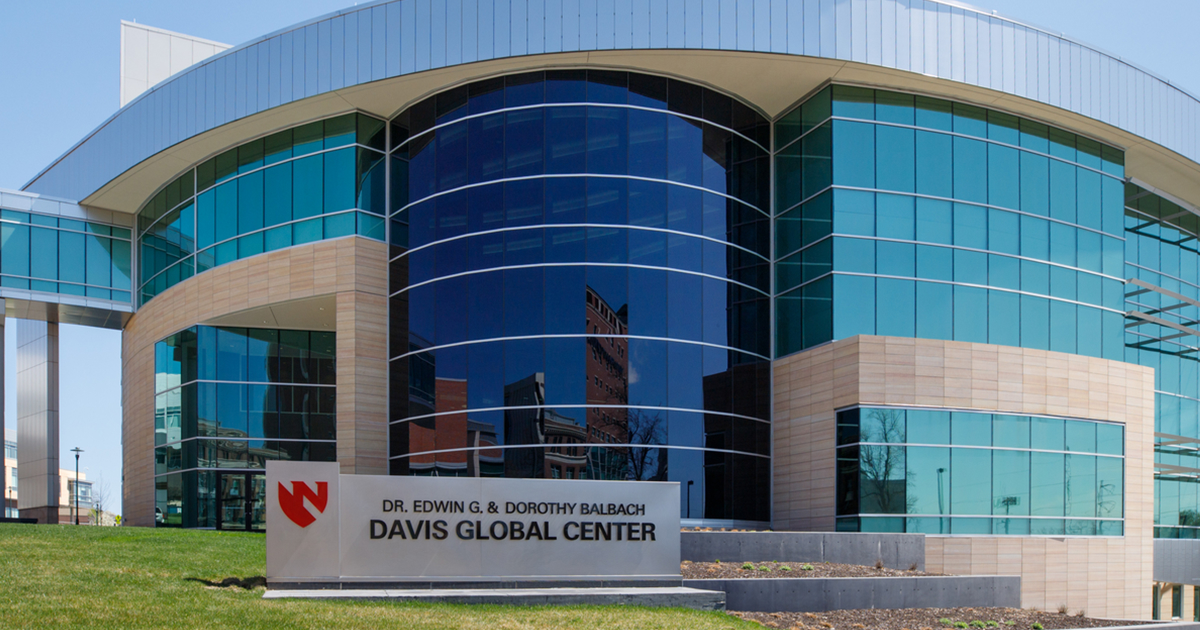
The Nebraska Biocontainment Unit is housed at the Dr. Edwin G. & Dorothy Balbach Davis Global Center and is a collaboration of Nebraska Medicine and University of Nebraska Medical Center.
Here's what the data shows across four weeks. No additional deaths. 13 total cases — 11 confirmed, 2 probable, and as of the last ECDC update: zero suspected cases remaining in the pipeline.
147 people on board. Four weeks of close contact with confirmed human-to-human transmission. Zero new suspected cases.
The Andes virus is serious and the fatality rate when it strikes is significant. But the transmission data from this outbreak tells a different story than the headlines suggest.
What This Means For Your Travel
The question I was hearing — "Is it safe to cruise?" — has a straightforward answer now.
If you are booked on an expedition cruise to Antarctica or South America, the data above should provide context rather than alarm. The Andes virus lives in rodents native to the mountains of Argentina and Chile. Thirteen cases over four weeks on a sealed vessel with confirmed exposure is not the profile of a highly contagious pathogen. It is the profile of a serious but difficult-to-transmit virus being managed by multiple international health authorities in real time.
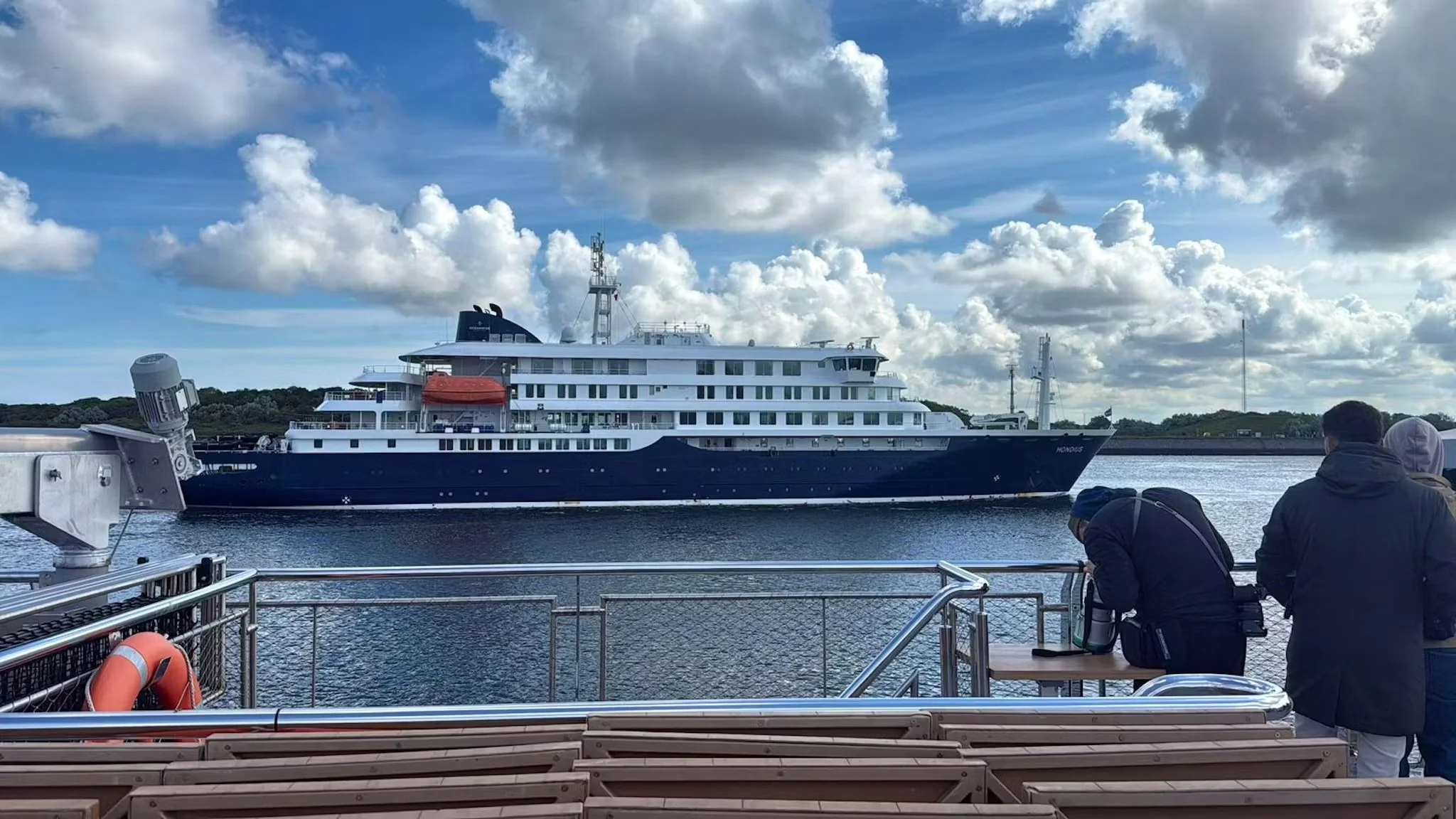
MV Hondius in Rotterdam
If you are taking any other type of trip, maybe keep an eye open, but don't lose sleep.
The ship is docked. The monitoring period ends. The story is not over but it is entering its final chapter.
In fact — it may already be written. The MV Hondius was cleared by Rotterdam health authorities on May 29 following intensive biohazard disinfection and a second round of deep cleaning ordered by local health officials. The ship resumes full operations June 13, departing Longyearbyen, Svalbard for a polar expedition.
The operator has confirmed all subsequent summer voyages will proceed as scheduled.
I'll have one more update if the situation warrants it — likely in the next thirty days. If you don't hear from me, that's good news.
In the meantime, your passport is still the most important thing you own. Use it.
#WhyStayHome
Wondering how AI handles situations like this compared to a real advisor? Read: Should AI Replace Your Travel Advisor?

Billy Miller is the founder of Miller Travel Group, an independent travel advisory based in Millsap, Texas. He has sailed more than 60 times across multiple cruise lines and personally inspected resorts across the Caribbean and Mexico. He specializes in premium cruises, all-inclusive resorts, and curated travel experiences for clients across the DFW area and beyond.